When considering graduate programs, something they don’t tell you is that you will get to know that city VERY well. I was drawn to Chicago for my studies in large part for its museums, culture, stunning lakefront, and despite its terribly cold weather. But through my time there I also got to know the city’s neighborhoods, politics, culture, and of course, history.
The Public History program at Loyola was exceptional in this immersion, in part thanks to its close ties with the school’s urban studies department. Grad coursework typically requires completion of a real-world practicum, and Loyola was no different. But beyond the big research commitments, my professors included place-specific assignments and readings in their syllabi, making the city an extension of the classroom. A streetscape of Rogers Park taught me how to identify and describe vernacular residential architecture. A trek through the Pullman Historic District followed by a tour of the Glessner House provide a sharp contrast between the homes of laborers and the industrialists who grew wealthy from their efforts during the Gilded Age.
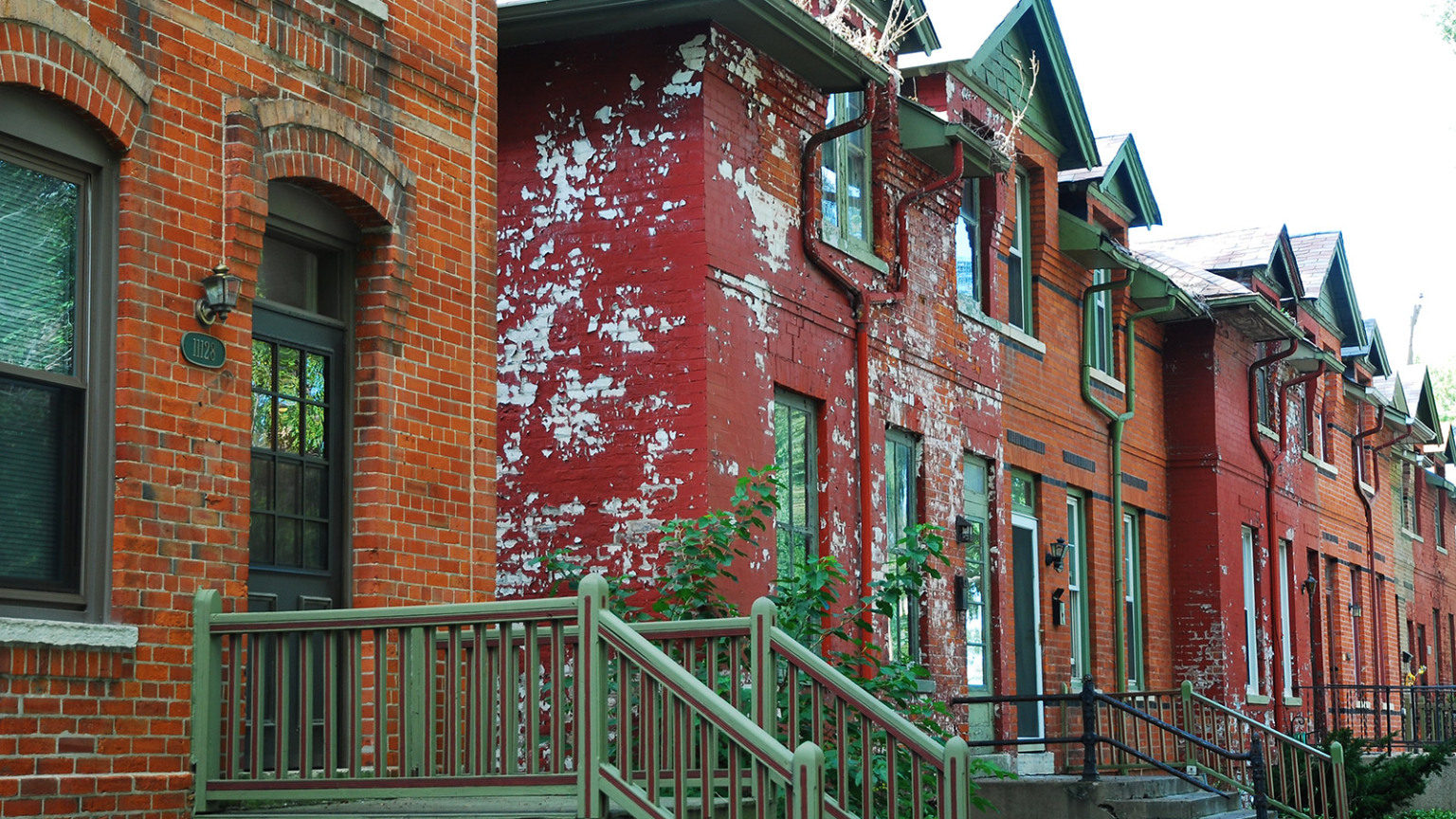
Through these and countless other assignments, I grew to love and better understand not just Chicago, but the ebb and flow of cities. Development and decay, segregation and gentrification, policy changes in industry, immigration, and education play out in real spaces and time in cities. There was no better place for me to realize these lessons than Chicago.
I’m looking forward to expounding upon those lessons in Detroit. One of my current projects is building an essential reading list of Detroit history. But I recognize that beyond a simple list, there also should be companion study of significant sites and places that helps complete the story and provides an even deeper understanding of how and why events happened where they did. Stay tuned.
 asterpublichistory.com